

WE CREATING BEAUTIFUL AND HEALTHY SMILE
Complete Dentures

What Are Complete Dentures?
Teeth whitening is one of the most popular cosmetic dentistry treatments offering a quick, non-invasive, and affordable way to enhance a smile.
Signs That You Need Dentures
Gaps between the Teeth or Unstable Teeth
Expert dentists consider shifting or unstable teeth an indication of more severe gum disease. In such situations, the dentist may have to perform the periodontal treatment or extract the teeth.
Chronic Toothaches
Serious tooth pain is a failsafe proof that tooth decay has worsened to the point where it has affected the nerve in the tooth’s center. Early detection may allow the dentist to treat the affected tooth with a simple filling. If the situation has worsened considerably, the dentist may need to remove the impacted teeth and recommend partial dentures.
Swollen, Sensitive, Inflamed, or Bleeding Gums
Inflamed gums are often an indication of developing gingivitis or periodontal condition. Sadly, gum disease is the leading cause of adult tooth loss. It is estimated that three out of four people will suffer from gum diseases sometime in their lives. If left untreated, gum disease can worsen into tooth loss, causing the need for dentures.
One or More Missing Teeth
People missing two or more teeth should get a form of the prosthesis so that you will not put undue stress on the other teeth. If you continually have to depend on the fewer teeth left, you put yourself at the risk of losing more teeth in the future.
You cannot eat some kinds of food
Inability to eat some foods may be a result of missing teeth, tooth cavity, cracked tooth, or gum disease. All these can be prevented if detected early. Complicated cases may require dentures.
You find it hard to smile because of damaged or missing teeth
Missing or broken teeth affect how often you beam your smile. Getting new dentures will give you a smile you can be proud of showing off.
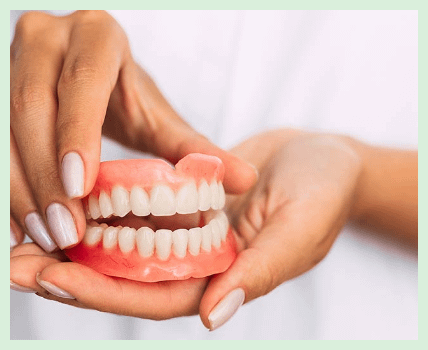
Reasons to choose Complete Dentures
- A Better Investment
- A Natural Feel
- Better Bone and Gum Health
- Less Care and Maintenance
- No Slipping or Moving.
Candidates For Complete Dentures
Complete dentures are recommended if:
- All set of teeth has been removed
- There are issues with the bite due to missing teeth
- Missing teeth make the patient less confident – One of the reasons why many prefer to get dentures is they want to boost their self-confidence.
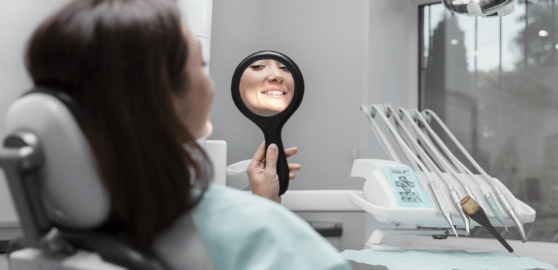
Pros And Cons of Complete Dentures
Pros of Complete Dentures
- They help you eat and chew comfortably
- They can improve your confidence and self-esteem.
- They give you a more youthful appearance.
- They help you speak properly.
- They are a cost-effective teeth replacement.
Cons of Complete Dentures
- They require maintenance like repairs and relining.
- The retention for lower dentures declines over time.
- Sometimes, they can slip out of place when eating or speaking.

The Benefits of Wearing Dentures
- Modern dentures are designed to be comfortable, as well as perform the functions of natural teeth.
- You no longer have to have restrictions on what you can eat. With dentures, you can eat all the foods you used to eat before you lost your teeth. However, your dentist may advise what foods to eat in moderation to preserve your dentures.
- Dentures restore your smile and eliminate any social awkwardness you may have felt about the gaps in your teeth.
- Without your teeth, your facial muscles will start to sag. Dentures replace the support in your face, once created by your natural teeth, to help keep your facial appearance and prevent you from looking older.
- The loss of teeth also means oral bone structure will begin to perish. Dentures decrease the rate at which these bones disintegrate.
- If you have any remaining teeth, partial dentures prevent excessive wear and tear on your natural teeth, as chewing forces are evenly distributed to all teeth.
- All traditional dentures are removable, which allows for proper cleaning.
- A lack of teeth can impact the way you pronounce words. Dentures eliminate this problem and make it easier to speak.
- Dentures are available in natural-looking porcelain or plastic materials that create a natural-looking smile.
- Dentures are a cost-effective treatment option, especially if there are natural teeth still present in the mouth.

Types of Complete Dentures
You can get different types of full-mouth dentures, so if you hear the terms premium and economy dentures, these will explain them to you to help you decide which could be best for you.
Complete Dentures
Premium dentures are high-quality, removable dentures. They are made to fit accurately and comfortably and have been designed by a dentist and custom-made by a specialized dental technician. Premium dentures also customize the acrylic with various types of pigmentation to make the teeth look natural. These dentures cost more, but you get a high-quality denture that fits you perfectly, looks great, and is made with quality materials. In fact, since the denture fits better, it requires fewer follow-up visits to get it refitted or relined, so in the longer term, it could also save you money.
Partial Dentures
Economy dentures are a good choice for people looking for affordable dentures. They cost less, but they are generic and may not be the best fit or the most comfortable. Even though these dentures cost less upfront, they can rack up costs over the years as they may need more readjustments or relining due to a poor fit.
What Type of Surgery is Needed Before You can Get Dentures?
A surgical procedure known as pre-prosthetic may be needed before you are ready to get dentures. This surgical procedure is needed in order to prepare the bone ridge in the mouth for the partial or complete denture. While the partial or complete dentures could be placed without this surgery, it could present problems that include pain and discomfort.
There are several different types of surgical procedures that may be performed as part of pre-prosthetic dental surgery. Those procedures include:
- Removal of any excessive bone
- Reducing the bone ridge
- Removing any excessive gum tissue
- Smoothing and reshaping the bone
- Exposing and removing impacted teeth
The goal of pre-prosthetic dental surgery is to reshape the bone ridge, which is where the partial or complete denture will sit so that it is the right size and shape. By reshaping the bone so it is the proper shape and size, it guarantees that you have the maximum level of comfort when wearing the partial or complete dentures.

Complete Dentures Procedure
Step 1: he first step is consultation. The dentist has to carefully assess the overall condition of the teeth, gums, and even bones. A variety of examinations including physical and imaging tests are carried out. If there are lingering issues such as a root canal infection, they are treated first to avoid further damage.
Step 2: Before the dentures can be attached, the damaged or decayed teeth have to be extracted first. During the procedure, local anesthesia is administered to numb the pain. If the patient is restless, nervous, or anxious, sedation may be given.
Step 3: Using tools such as forceps and drills, the teeth are removed from the roots and tissues one by one. It may take a couple of visits to the dentist before all teeth are extracted.
Step 4: Teeth impressions are obtained once all the affected teeth have been extracted. The patient may be provided with temporary dentures to ensure ease of biting and eating. The dentures can also be used while the gums are healing.
Step 5: In the next appointment, the dentures are then fitted into the mouth, making sure that they snuggle nicely into the roof or palate.
Post-Op Care for Complete Dentures
- Keep your dentures seated in place by gently biting down.
- Rest at home today, and keep talking to a minimum.
- Do not take your denture out until you see either your dentist or your oral surgeon.
- Wear your cold packs over the surgical areas for the rest of the day.
Aftercare
To keep your mouth healthy, it is important to look after your dentures. Clean your dentures in the morning as well as before going to bed. You might also want to rinse them in cold water after meals.
Remember to gently brush any parts of your mouth that are normally covered by the dentures using a soft toothbrush. This includes your gums as well as the roof of your mouth.
After cleaning, you can either keep the dentures in a cup of fresh cold water or a clean dry container. Rinse your dentures using fresh cold water before you put them on again.
There are a few other things you can do for a healthy mouth which include:
- Consuming nutritious food
- Avoid any kind of sugary food or drink, especially between meals.
- Drinking plenty of tap water.
- Have dental check-ups regularly
- If you take any medication, ask your doctor, pharmacist, or oral health professional if it will be affecting your mouth.
- Quit or at least reduce smoking
Risks and Complications
Sometimes it is possible that you experience issues with your dentures. See your oral health professional if you experience:

- Pain
- Dentures that are uncomfortable
- Loss of teeth
- Bleeding gums
- Swelling
- A gum abscess
- Ulcers that last over two weeks
- Bad breath
- Soreness or cracks in the corner of your mouth
FAQs

Can you wear complete dentures to bed?
Regardless of the type of dentures, you’re using, wearing them in your sleep is a bad idea, and will cause you a number of health issues down the line. To keep your mouth bacteria-free, your gums healthy, and your bones unaltered and strong, make sure to remove your dentures every night before going to sleep.
What to expect when getting full dentures?
Once your denture is fitted, it may feel strange at the beginning, but this is normal. As new dentures settle in, you might experience minor difficulties and soreness for the first few hours to weeks. However, everything will feel normal once your mouth, tongue, and facial muscles get used to dentures.
How long does it take to heal from complete dentures?
The time it takes for gums and other tissue to heal varies from patient to patient. The type of denture a patient is planning to get also plays a factor. For example, a custom-made denture requires gums to heal for three to six months.
How do you clean your mouth with full dentures?
Remove and rinse them after every meal. Brush your dentures daily using a non-abrasive cleanser formulated for dentures and a soft-bristled brush. Store your dentures properly overnight. Most manufacturers recommend soaking dentures in water or a denture-specific solution to maintain their moisture and proper shape.
How many appointments are needed for a full denture?
It may only take a few months from your first appointment to the day when you’ll feel fully at ease with your new dentures. You should expect to make four or five appointments with your dentist over a period of three to six weeks, but this does vary from person to person.
Happy Smile In Healthy Way
Be it a dental checkup, an inquiry about a dental procedure, or correcting your dental issues, we assure quality care and a happy smile with flexibility in appointment scheduling.