

WE CREATING BEAUTIFUL AND HEALTHY SMILE
Multiple Tooth Implants

What are Multiple Dental Implants?
Why Do WeNeed Multiple Tooth Implants ?
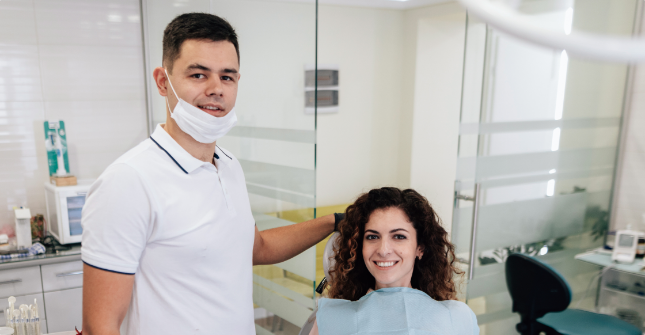
Why should you do Multiple Tooth Implants ?
Candidate for Dental Implants
- The remaining teeth and gums must be in good condition.
- The individual should have healthy jawbone density. It is a crucial component needed for the implants to be correctly fixed.
- The person shouldn't use tobacco, drink alcohol, or smoke. It raises the risk of infection, which could result in implant failure.
- The individual must have the endurance to observe the appropriate safety measures for several months.

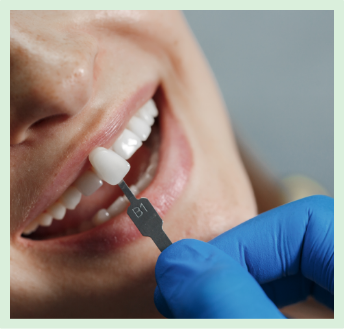
Outcome of Multiple Tooth Implants
Multiple Tooth Implants
Conditions that can be treated by Dental Implants
- Have one or more missing teeth.
- Have a jawbone that's reached full growth.
- Have adequate bone to secure the implants or are able to have a bone graft.
- Have healthy oral tissues.
- Don't have health conditions that will affect bone healing.


Why Multiple Teeth Dental Implants?
You can use modern dentistry and replace the gap formed due to multiple missing teeth by placing an implant in the bone and taking the support from that implant to place a bridge.
Multiple teeth Dental implants provide several advantages over other teeth replacement options. In addition to looking and functioning like natural teeth, implant-supported bridges replace teeth without support from adjacent natural teeth. Other common treatments for the loss of several teeth, such as fixed bridges or removable partial dentures, are dependent on support from adjacent teeth.

Types of dental implants
The three most common types of dental implants are endosteal, subperiosteal, and zygomatic.
Endosteal is the most common and safe method. Subperiosteal comes next, and zygomatic is the most complicated.
There are four types of dental implant restorations that can be used to replace missing teeth.
Four types of restorations are called
- Single tooth implants
- Implant supported dentures
- Full mouth acrylic (pmma)
- Full arch dental implants
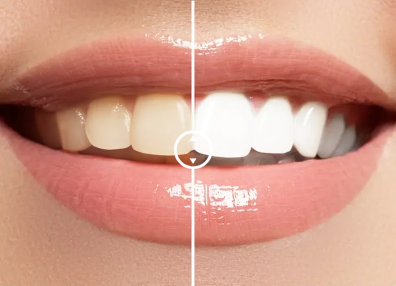
Before
Before and After
After
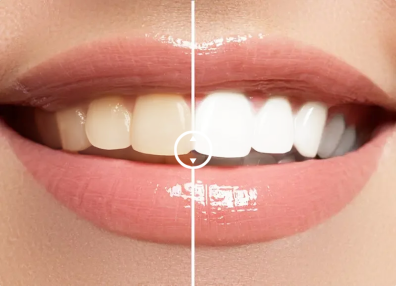
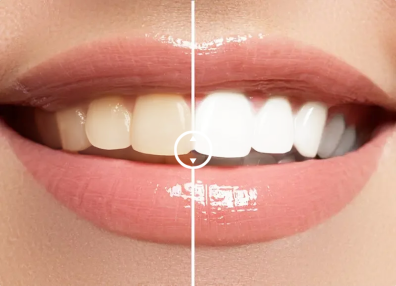
Multiple Dental Implant Procedure
Consultation and treatment planning.
Implant placement.
Recovery time
Things to Avoid Doing After a Dental Implant Procedure
- Smoking - Dental implants rely on a process known as osseointegration, which is how the jawbone develops and grows around the implants.
- Excessive Rinsing.
- Intense Exercise
- Hard or Hot Foods.
- Drinking with a Straw.
Risks And Complications
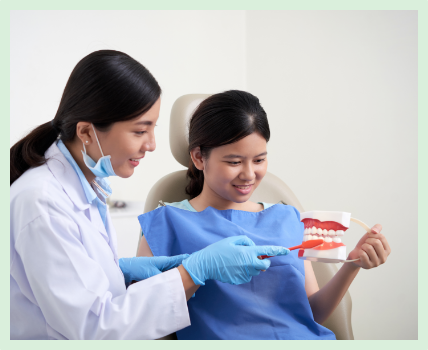
- Infection An infection can occur at the surgical site and spread to other parts of the mouth, leading to complications such as implant failure or even bone loss.
- Gum irritatioNerve damage Nerves located near the implant site can become damaged during surgery, leading to numbness or tingling in the mouth, lips, or chin.n.
- Implant failure The implant may not properly integrate with the jawbone or may become loose, which can cause pain, discomfort, and difficulty chewing.
- Allergic reactions Some patients may experience an allergic reaction to the materials used in the implant, which can cause swelling, redness, and discomfort.
- Sinus problems If implants are placed in the upper jaw, they can protrude into the sinus cavity, leading to sinus problems such as sinus infections or pressure.
- Gum recession If the implant is not placed correctly, it can cause gum recession, which can lead to bone loss and even tooth loss in severe cases.
- Pain and discomfort It is common to experience some level of pain, swelling, and discomfort after surgery, which can be managed with pain medication and proper aftercare.
- Damage to adjacent teeth During the surgery, adjacent teeth can become damaged, leading to the need for additional dental work.
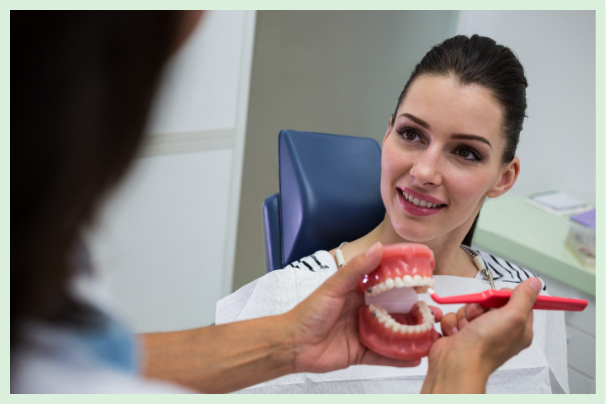
FAQs

What are dental implants, and how do they work?
How long does the dental implant procedure take, and is it painful?
How do I care for my dental implants after the procedure?
Can anyone get dental implants?
Happy Smile In Healthy Way
Be it a dental checkup, an inquiry about a dental procedure, or correcting your dental issues, we assure quality care and a happy smile with flexibility in appointment scheduling.