

WE CREATING BEAUTIFUL AND HEALTHY SMILE
Dental Cleaning

What is dental cleaning?
Why the problem?
Plaque and bacteria accumulate when these areas remain ignored for a long time and may cause cavities, infections, and gum disease.
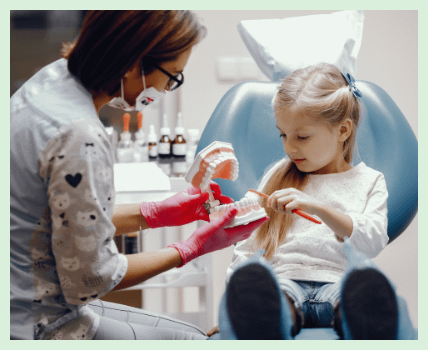
A pediatric dentist has the tools to clean hard-to-reach areas in your child’s mouth without making them uncomfortable.
How to avoid the problem
Plaque and bacteria accumulate when these areas remain ignored for a long time and may cause cavities, infections, plaque and bacteria accumulate when these areas remain ignored for a long time and may cause cavities, infections, and gum disease.

Why you should do the procedure
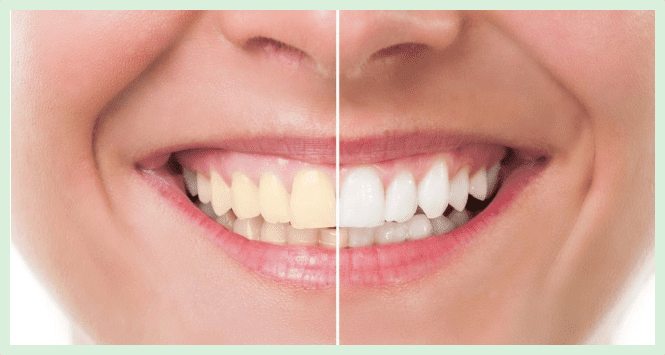
- Your dental hygienist can remove most of the stains that dull and discolor your teeth, so you'll be left with a brighter, whiter smile.
- Having your teeth cleaned can prevent gum disease, which leads to early tooth loss.
- A strong link exists between cardiovascular disease and gum disease. Because getting your teeth cleaned twice a year helps prevent gum disease,
- During a professional dental cleaning, it’s easy for your dentist to detect early signs of problems such as broken fillings and fractures.
- Many dental plans cover cleanings, and you’ll save money on dental expenses in the long run by taking advantage of your policy.
- If your dentist finds any serious problems during a teeth cleaning or exam, the office can help you make financial arrangements to cover the necessary procedures.
Who needs tooth cleaning the most?

- Smokers
- Diabetics
- Under significant stress
- Under significant stress
- Taking medication that causes dry mouth
- Affected by HIV/AIDS or cancer
- Experiencing orthodontic issues
- Pregnant
- Those who have a history of gum disease or take oral contraceptives.
What cause tooth staining?
Age
There is a direct correlation between tooth color and age. Over the years, teeth darken as a result of wear and tear and stain accumulation.
Eating habits
The habitual consumption of red wine, coffee, tea, cola, carrots, oranges, citric foods, vinegar, and other deeply-colored beverages and foods causes considerable staining over the years.
Excess fluoride consumption
Excessive consumption of fluoride causes fluorosis and associated areas of white mottling.
Starting color
We are all equipped with an inborn tooth color that ranges from yellow-brownish to greenish-grey and intensifies over time.
Smoking habits
Nicotine leaves brownish deposits that slowly soak into the tooth structure and cause intrinsic discoloration.
Grinding
Most frequently caused by stress, teeth grinding (gnashing, bruxing, etc.) can add to micro-cracking in the teeth and can cause the biting edges to darken.
Translucency & thinness
These are also genetic traits that become more pronounced with age. Teeth that are thinner and more transparent – most notably the front teeth – have less of the pigment that is necessary for bleaching.
Tetracycline chemicals
Tetracycline usage during tooth formation produces dark grey or brown ribbon stains which are very difficult to remove.
Trauma
Falls and other injuries can produce sizable cracks in the teeth, which collect large amounts of stains and debris.

The outcome of dental cleaning
There are three key health benefits to attending routine dental cleanings
- The maintenance of oral health
- The prevention of oral diseases
- Early detection of oral diseases and infections
Dental Cleaning
Pros & Cons of dental cleaning
- Stops gum disease
- Flights bad breath
- Protects roots of teeth
- Slight pain and sensitivity
- Can cause gum recession
- Risk of infection after the procedure
- In very rare cases, a risk of nerve damage

Benefits of dental cleaning
- Prevent cavities: The whitish film that builds up on your teeth is called plaque and is the leading cause of tooth decay. This acidic substance eats away at the tooth enamel and, if left unattended, can lead to cavities.
- Brighten your smile: Drinking coffee, tea and wine or using tobacco can stain your teeth. A dental cleaning can remove built-up stains and leave you with freshly polished teeth.
- Boost your overall health: Regular dental cleanings may help lower your risk for some diseases, like heart disease and stroke.
- Stop tooth loss: Gum disease, which starts with built-up plaque, is a major cause of tooth loss in adults. As gum disease advances, plaque moves further down the tooth where it can destroy the supporting bone in your jaw, causing teeth to loosen and fall out.
- Freshen your breath: Good oral hygiene is the best way to prevent persistent bad breath.

Types of dental cleaning
Prophylaxis Dental Cleaning
Prophylaxis cleanings remove plaque and tartar from the front, back, and sides of teeth using a dental scaler or water stream. Most dental patients only require a prophylaxis cleaning, especially if they have kept up on daily dental hygiene and semi-annual dental appointments.
Scaling and Root Planing Cleaning
Scaling and root planing cleanings, also known as deep cleanings, are used on both the teeth and gum pockets in order to treat gingivitis and periodontitis. Deep cleanings for gingivitis are usually completed in a single dental appointment. Root planing is the process of smoothing the tooth roots, which helps the gums reattach to teeth and eliminate gum pockets.
Periodontal Maintenance Cleaning
Periodontal maintenance cleanings are also dental cleanings designed to treat gum disease. The main thing that sets periodontal maintenance cleanings apart is that they are usually performed more often than other types of dental cleanings. This is because gum disease is progressive and will continue to get worse if not effectively treated.
Gross Debridement Cleaning
Periodontal maintenance cleanings are also dental cleanings designed to treat gum disease. The main thing that sets periodontal maintenance cleanings apart is that they are usually performed more often than other types of dental cleanings. This is because gum disease is progressive and will continue to get worse if not effectively treated.
Pre-procedure
The best ways to prepare for dental cleaning are to pre-clean by brushing and flossing, avoid whitening teeth for several weeks before the cleaning.
Procedure
Steps Followed During a Teeth Cleaning –
A physical exam
Digital X-rays
Removing tartar and plaque
Polishing
Expert flossing
Fluoride
Final examination
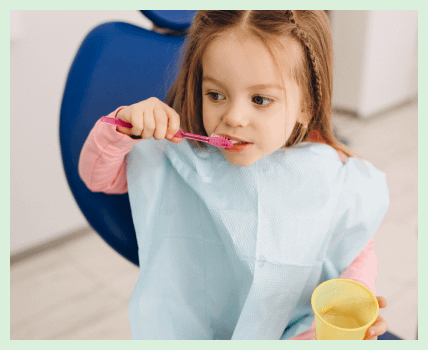
Tips to keep your child's teeth clean
- Help your child to brush their teeth from the time they get their first tooth until they are 7 or 8 years old.
- Use toothpaste with fluoride that is suitable for children. This can help to strengthen the outside of the teeth and prevent decay.
- Make sure your children brush their teeth for at least 2 minutes and remind them not to swallow the toothpaste.
- Try to get into a regular tooth brushing routine, and give your child plenty of praise when they brush their teeth well.
- Replace toothbrushes or toothbrush heads every 3 months.
- Children should floss as soon as they have 2 teeth that touch each other. You should supervise flossing until they are about 10 years old.
- To develop strong teeth, make sure your child eats a healthy, balanced diet. Avoid foods with a lot of added sugar, such as lollies, biscuits, and soft drinks. Always choose fluoridated tap water.
Complications and risk
- You might have slight jaw discomfort as your mouth will be in an open state for an extended period.
- Patients who have sensitivity might feel a minor zinging sensation in their teeth during the cleansing process.
- This pain is temporary and might disappear after a few hours of the procedure.
What to expect?
- You can return to your normal activities post the treatment. You have to follow the general oral hygiene laid out by the dentist and make sure that you adhere to them regularly.
- Your teeth and their condition can say a lot about your general health. Ensure to clean and floss your teeth at regular intervals.
People also ask

Do I really need to floss?
There’s no getting around the need to get around your teeth daily with dental floss. It clears food and plaque from between teeth and under the gumline.
Does a rinse or mouthwash help?
Why do I need dental exams?
You should get an exam every 6 months, or more often if your dentist recommends it.
Often the dread of seeing the dentist turns to big relief when the visit is over and you have a care plan set up.
Are dental X-rays safe and needed?
Medical and dental experts study the use of X-rays and set limits for their safety. Your dentist should take as few as possible.
If you have gum disease, the dentist may want pictures every 6 months. Regular check-ups, it’s about every 2 years, depending on your dentist’s plan.
Happy Smile In Healthy Way
Be it a dental checkup, an inquiry about a dental procedure, or correcting your dental issues, we assure quality care and a happy smile with flexibility in appointment scheduling.